How Ultra-Processed Foods Are Made Matters as Much as What's in Them
Public concern over the effects of ultra-processed foods has been growing. Research has increasingly associated these foods with a higher risk of conditions like heart disease, diabetes, obesity, and even early death. Despite these concerns, ultra-processed foods make up around 55% of the American diet. “UPFs [ultra-processed foods] do offer some advantages, but at the expense of the consumer’s health. They are convenient, affordable, have a long shelf life, and are often engineered to be highly palatable, which contributes to their widespread consumption,” said Mir Ali, MD, medical director of MemorialCare Surgical Weight Loss Center at Orange Coast Medical Center in Fountain Valley, CA. Ali was not involved in the study. “Because of these factors, UPFs are extremely prevalent in the modern diet. While many people are generally aware that these foods are not optimal for health, convenience and taste often drive decision making,” he told Healthline. Experts are also still looking into exactly what drives the risks from ultra-processed foods. They are debating whether it is the nutritional quality of the foods, as they are often high in sodium, added sugars, and refined grains, or if it is the industrial processing and additives used to make them. A recent study published in the American Journal of Public Health (AJPH) suggests that processing may actually play an independent role in the health risks posed by ultra-processed foods. The researchers found that people who ate more ultra-processed foods had worse health outcomes. This was evident even after accounting for the overall nutritional values of the foods. The study used data from the National Health and Nutrition Examination Survey (NHANES) to investigate the relationship of ultra-processed foods with cardiometabolic risk factors, prevalent disease conditions, and all-cause mortality. The researchers evaluated the associations both with and without adjusting for the nutritional quality of the ultra-processed foods. The research team used a standard classification system to group foods according to how they were prepared. These groups ranged from minimally processed foods like fruits and vegetables to ultra-processed foods, which are made with industrial ingredients and additives that are not typically used in cooking. They also rated the nutritional quality of foods by scoring them based on their overall healthfulness. Each participant also received an overall diet quality score based on the foods they reported eating. The researchers examined how the consumption of ultra-processed foods was linked to current health measures, such as blood sugar, weight, and cholesterol, as well as long-term risk of death. The study showed that for every 10% increase in calories from ultra-processed foods, individuals had worse health markers. Those who ate larger amounts of ultra-processed foods tended to have: These individuals were also more likely to have conditions, such as diabetes, metabolic syndrome, and cancer. They also had a higher risk of dying during the study period. These connections remained even after accounting for the food’s nutrient quality, as well as the amount of saturated fat, added sugars, and sodium in the ultra-processed foods. The patterns remained largely the same across subgroups of individuals. “Overall, these findings reinforce existing concerns about ultra-processed foods. While awareness of their risks is relatively high, making consistent, healthier choices can be difficult — particularly when cost, convenience, and availability are limiting factors,” said Ali. Ultra-processed foods can contribute to the development of various health conditions. “Numerous health studies have linked ultra-processed foods to a wide range of problems, including diabetes, hypertension, obesity, and hyperlipidemia,” said Cheng-Han Chen, MD, medical director of the Structural Heart Program at MemorialCare Saddleback Medical Center in Laguna Hills, CA. Chen wasn’t involved in the study. “These conditions can lead to serious adverse health outcomes, as they are known to be risk factors for cardiovascular diseases such as heart attack and stroke. It is thought that ultra-processed foods affect cardiovascular health through multiple mechanisms, including promotion of inflammation, increasing oxidative stress, and increasing insulin resistance,” Chen told Healthline. Jonathan Jennings, MD, board certified internist with Medical Offices of Manhattan, who wasn’t involved in the study, agreed. “Ultra-processed foods are clearly a major contributor to some of the most difficult chronic diseases to manage, such as diabetes, hypertension, and obesity,” he told Healthline. You can lower your risk of many health conditions by cutting back on ultra-processed foods. “I believe educating people as much as possible about the potential dangers of overconsumption of these foods and affordable alternatives is one of the most effective strategies,” said Jennings. 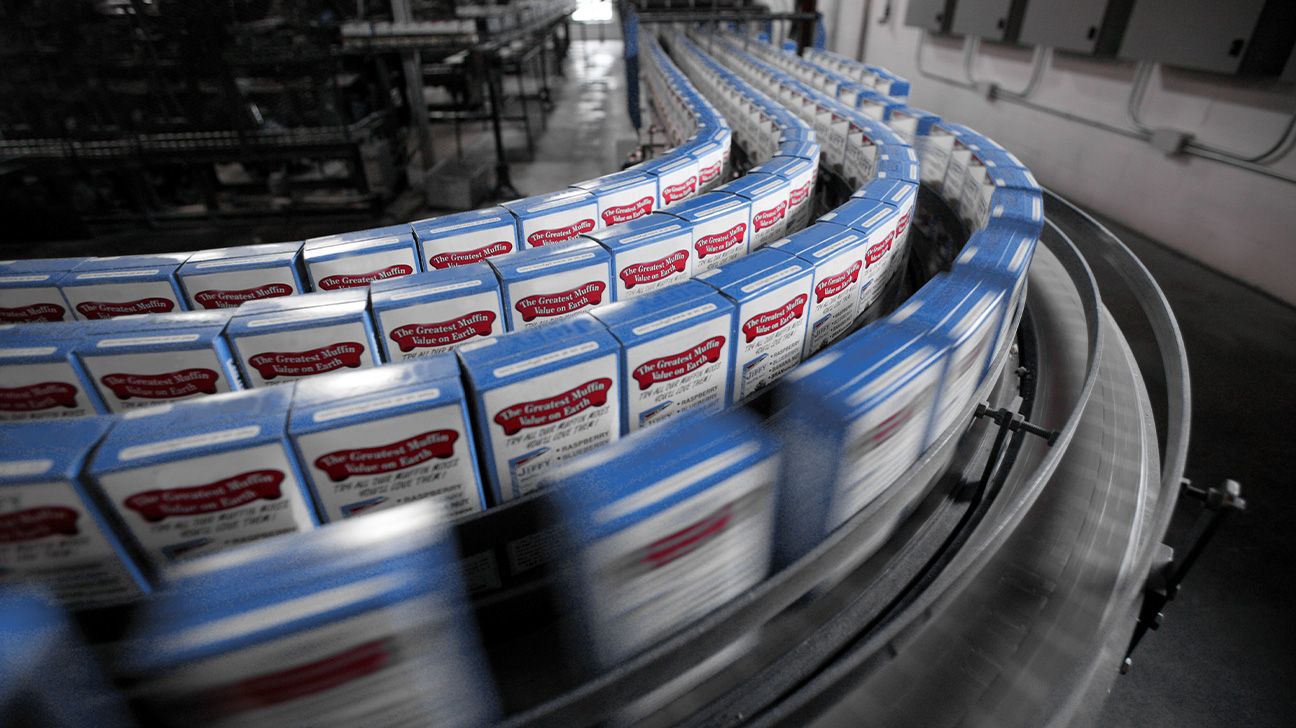
How are ultra-processed foods made?
Health effects of ultra-processed foods
Related Articles
-
Malawi: Police Fire Rubber Bullets As Women Board Buses Home and Men Are Taken to Lindela
-
Stack Overflow: When We Stop Asking
-
How to Build AI Apps in the Browser with TensorFlow.js and WebGPU
-
Product Experimentation with Propensity Scores: Causal Inference for LLM
-
Google is testing adding an AI Mode shortcut right in Chrome’s toolbar
-
How to Test a Complex Full
- Latest Articles
-
- New electricity rates put off until review
- How to Build Your Own Local AI: Create Free RAG and AI Agents with Qwen 3 and Ollama
- Pioneering Next
- How to Use AlphaEarth for Similarity Search in Google Earth Engine
- Davies available for Canada against Qatar after injury absence
- Why Your Deep Learning Model Isn't Learning: Diagnosing Data Problems in Medical Imaging
- rotateY()
- How to Use AI Effectively in Your Dev Projects
- Trump formally signs U.S.-Iran deal as questions linger about nuclear program
- @function
- Random Reads
-
- No, I Don’t Want to Watch Your Straight Hockey Show
- rotateY()
- Why Isn't My 3D View Transition Working?
- How to Build Your Own Local AI: Create Free RAG and AI Agents with Qwen 3 and Ollama
- Trump’s Spaghetti-Against-the-Wall Indictment Against ICE Protesters — and How to Fight It
- How to Apply Academic Theories to Human
- How to Use LangChain and LangGraph: A Beginner’s Guide to AI Workflows
- How to Build Your Own Local AI: Create Free RAG and AI Agents with Qwen 3 and Ollama
- No, I Don’t Want to Watch Your Straight Hockey Show
- How to Run Open Source LLMs on Your Own Computer Using Ollama
- CSS Functions Guide
- Creating Memorable Web Experiences: A Modern CSS Toolkit
- Canada captain Alphonso Davies, Moise Bombito will be available to play vs. Qatar on Thursday
- How to Build a Scoped Note
- How to Automate PDF Data Extraction Using Python
- How to Deploy a Serverless Spam Classifier Using Scikit
- XRP Price Is Targeting $1,000 Says Ex Goldman Analyst
- How to Build a Headless WordPress Frontend with Astro SSR on Cloudflare Pages
- Pioneering Next
- freeCodeCamp.org Privacy Policy: Questions and Answers
- Search
-
- Links
-
- The Python Handbook – Learn Python for Beginners
- The Docker Handbook – Learn Docker for Beginners
- The Golang Handbook – A Beginner's Guide to Learning Go
- Front End JavaScript Development Handbook – React, Angular, and Vue Compared
- About freeCodeCamp
- Python Code Example Handbook – Sample Script Coding Tutorial for Beginners
- How to Learn Python for JavaScript Developers [Full Handbook]
- The PHP Handbook – Learn PHP for Beginners
- The PHP Handbook – Learn PHP for Beginners
- What is Programming? A Handbook for Beginners